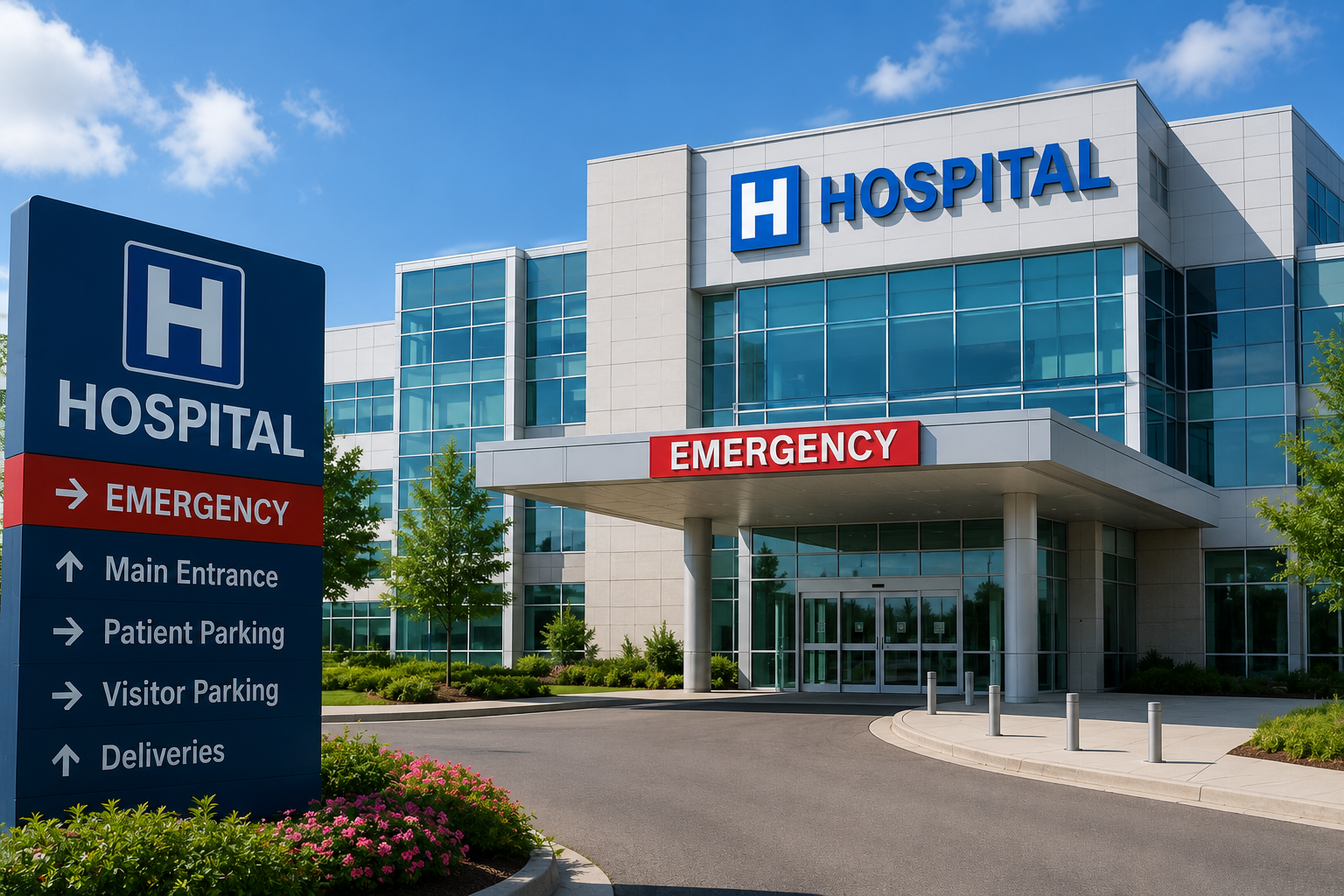
Medical emergencies can happen at any time, and receiving immediate, high-quality care can make a significant difference in saving lives and improving recovery. Emergency departments in American hospitals are designed to provide rapid diagnosis and treatment for patients experiencing serious illnesses, injuries, or life-threatening conditions. From heart attacks and strokes to severe accidents and breathing difficulties, emergency medical teams are available 24 hours a day, seven days a week.
Understanding how emergency care works in the United States can help patients and their families respond quickly and make informed healthcare decisions during stressful situations.
What Is Emergency Care?
Emergency care is immediate medical treatment provided for conditions that require urgent attention to prevent permanent injury, disability, or death. Hospital emergency departments, commonly known as Emergency Rooms (ERs), are staffed by physicians, nurses, trauma specialists, and other healthcare professionals trained to manage a wide variety of critical medical situations.
Unlike scheduled appointments, emergency departments treat patients based on the severity of their condition rather than the order in which they arrive. This process, known as triage, ensures that individuals with life-threatening emergencies receive care as quickly as possible.
Common Reasons for Emergency Room Visits
Emergency departments treat millions of patients each year for a wide range of medical conditions. Some of the most common reasons include:
- Chest pain or suspected heart attack
- Stroke symptoms, such as sudden weakness or difficulty speaking
- Serious injuries from vehicle accidents or falls
- Severe allergic reactions
- Difficulty breathing or asthma attacks
- High fever in infants and young children
- Broken bones and major fractures
- Deep cuts requiring stitches
- Severe abdominal pain
- Uncontrolled bleeding
Seeking emergency care promptly can improve treatment outcomes and reduce the risk of complications.
The Emergency Room Process
When patients arrive at an emergency department, they first complete a brief registration process before meeting with a triage nurse. The nurse evaluates symptoms, checks vital signs, and determines the urgency of the patient’s condition.
Patients with life-threatening conditions are treated immediately, while those with less severe illnesses may wait until medical staff become available.
Once admitted, physicians perform physical examinations and may order diagnostic tests such as blood work, X-rays, CT scans, ultrasounds, or MRI scans to determine the cause of the illness or injury. After diagnosis, treatment begins as quickly as possible.
Depending on the condition, patients may be discharged, admitted to the hospital for further care, transferred to a specialized medical center, or scheduled for follow-up treatment.
Advanced Technology in Emergency Medicine
Modern American hospitals use advanced medical technology to provide faster and more accurate emergency care.
Digital imaging systems allow physicians to quickly identify fractures, internal bleeding, or organ damage. Portable ultrasound devices assist doctors in evaluating patients directly in the emergency room.
Many hospitals also utilize electronic health records (EHRs), enabling physicians to access medical histories, allergies, medications, and previous test results almost instantly. This technology helps reduce medical errors and improves communication among healthcare providers.
Trauma centers often feature specialized surgical teams, advanced monitoring equipment, and dedicated intensive care units capable of treating the most critical injuries.
Preparing for an Emergency
Although emergencies are unpredictable, families can prepare by keeping important medical information readily available.
Maintain an updated list of medications, allergies, chronic medical conditions, and emergency contacts. Keep health insurance information accessible and know the location of the nearest hospital emergency department.
Learning basic first aid and CPR can also help individuals provide immediate assistance before emergency medical professionals arrive.
Understanding Emergency Healthcare Costs
Emergency medical care in the United States can be expensive, depending on the treatment required and insurance coverage.
Patients should review their health insurance policies to understand emergency room benefits, deductibles, copayments, and out-of-pocket costs. Many hospitals also offer financial assistance programs and payment plans for patients facing unexpected medical expenses.
Regardless of insurance status, hospitals are generally required to evaluate and stabilize patients experiencing true medical emergencies before discussing payment arrangements.
Conclusion
Emergency departments play a vital role in protecting public health by delivering immediate medical care during critical situations. Highly trained healthcare professionals, advanced medical technology, and around-the-clock availability allow American hospitals to respond quickly when every second matters.
By understanding how emergency rooms operate, recognizing warning signs of serious medical conditions, and preparing in advance, patients and families can navigate emergency healthcare with greater confidence and receive the timely treatment needed for the best possible outcomes.